Risky Pirates Build and Upgrade Your Skiff
Engines, guns, armor, and Shop restocks that keep a rusty hull alive on Roblox seas.
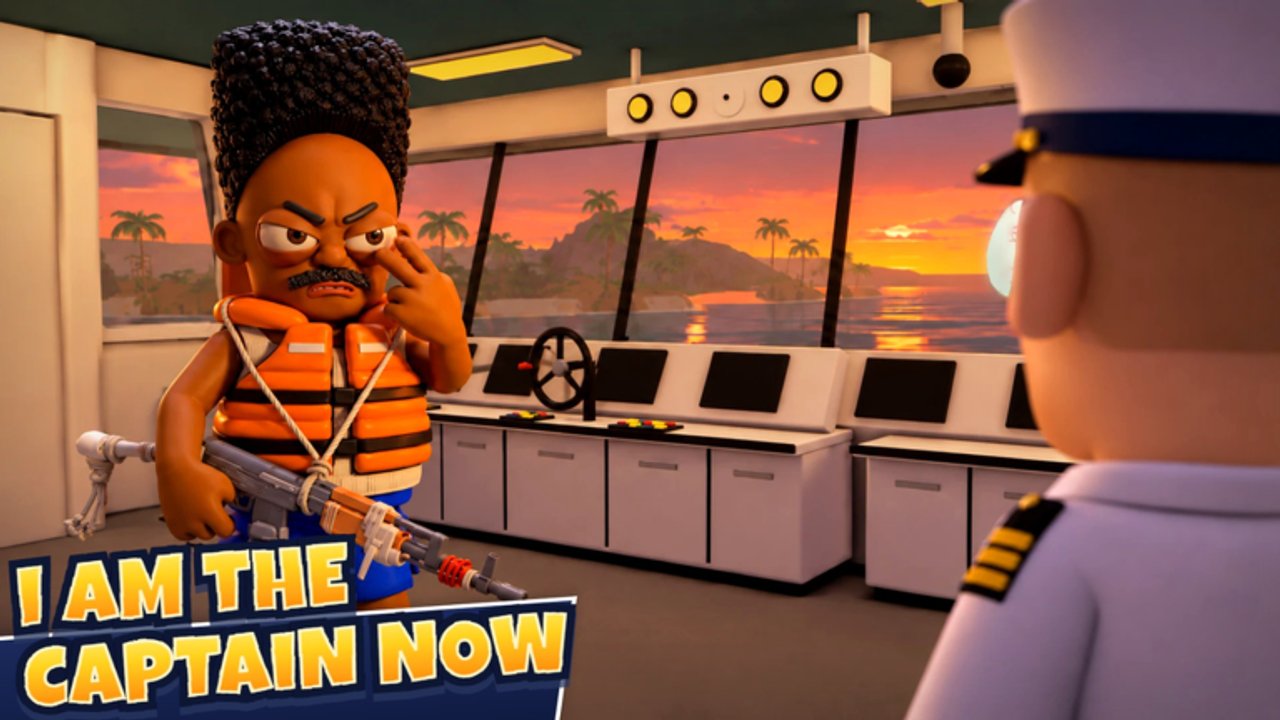
Your skiff is the entire game in Risky Pirates!. Engines decide whether you reach islands before storms. Guns decide whether raiders board you or flee. Metal sheets and repairs decide whether a mine is a scare or a swim back to spawn. This guide explains how to build and upgrade your skiff from scrap to voyage-ready, how Shop supplies feed that build, and how to spend early cash without painting yourself into a fragile glass cannon.
Risky Pirates! by NZY Games (Roblox place 77276284223221, launched 7 October 2026) starts you with a tired boat on purpose. The fantasy is restoration: bolt on power, mount guns, harden the hull, stock fuel and meals, then sail farther toward richer loot and the final port. Solo captains and crews of up to six friends share the same upgrade economy — only the roles change.
The three pillars of a skiff
Think in three pillars before you open the Shop:
- Mobility — engines and fuel so you control distance, kite sharks, and beat weather to the next outpost.
- Lethality — guns and ammo so raiders, crocs, and rival pirates respect your wake.
- Survivability — metal sheets, repairs, and meals so one bad hit does not end the run.
Ignore any pillar and the loop collapses. Fast boats with no armor die to mines. Armored bricks with no engines never sell before storms. Floating arsenals with empty fuel tanks become floating coffins.
For ranked opinions on which modules to rush, pair this walkthrough with Boat Builds and Guns vs Engines on the Tier List Hub.
Shop supplies that feed the build
Upgrades are useless if you cannot restock mid-voyage. Every outpost stop should refill:
- Ammo — empty magazines lose boarding fights and shark standoffs.
- Meals — sustain after swimming, fights, and long watches.
- Repairs — instant hull triage when you cannot afford a full yard stay.
- Metal sheets — structural patches that turn soft sides into something that tanks a glancing shot.
- Fuel — the silent killer of greedy island hops.
Bounty from Codes (67, LOOKATME, 100K) buys cosmetics — skins, hats, outfits — not these combat supplies. Keep currencies mentally separate so you do not feel “rich” in Bounty while your tank is dry.
Early upgrade order (first profitable hours)
- Stabilize the hull with repairs and metal sheets until minor bumps stop panicking you.
- Fuel capacity / engine reliability so island circuits become routine instead of desperate drifts.
- Primary gun that you can actually feed with ammo income from sells.
- Engine power for kite speed against sharks and for escaping bad captures.
- Secondary gun or traverse upgrades once the primary is fed and the hull is honest.
- Comfort and cosmetics last — look legendary after you sail legendary.
New players often reverse steps three and one: big gun, paper hull, instant sink. Read Getting Started if you still need the HUD and first-loop basics, then return here before dumping cash.
Engines: control the map
Engines shorten the time between loot and sell. That matters because outpost distance sits bottom-left on the HUD — every knot of speed shrinks the window where storms, mines, or the Kraken can find you with a full hold. Strong engines also create combat options: kite raiders, dictate boarding angles, and disengage when a cargo hijack goes wrong.
Do not max engines while starving guns forever, but early speed is usually the difference between a clean sell and a swimming tutorial. Crew helmsmen should call engine upgrades before vanity sails.
Guns: win the fights you pick
Guns exist to finish the fights you choose, not every silhouette on the horizon. Prioritize a reliable mount you can keep loaded, then expand firepower for capture attempts documented in Capture Boats. Ammo economy ties directly to How to Loot and Sell — if island routes do not fund your magazine, your “DPS build” is fiction.
In co-op, assign a dedicated gunner so the helmsman never leaves the wheel mid-chase. Solo players should favor mounts that work while steering under pressure.
Armor, repairs, and the repair rhythm
Metal sheets are proactive; repairs are reactive. Sheets raise how much punishment you can take before the next outpost. Repairs fix what already went wrong. After every shark scrape, mine near-miss, or raider volley, spend repairs before the next island. Waiting until the hull is critical mid-storm is how Kraken stories end badly — see Survive Kraken and Storms.
Build a rhythm: sell → restock repairs/sheets/fuel/ammo/meals → upgrade one module → sail. Skipping restock to “save time” is how you donate loot to the seabed.
Loadout archetypes
- Trader skiff — engines and fuel first, modest gun, heavy repair stock. Best for learning sell loops and funding later power.
- Escort skiff — balanced guns and armor for crewed island clears with friends watching flanks.
- Hunter skiff — guns and engines for captures and cargo hijacks; only after you can afford the ammo bill.
- Survivor skiff — sheets, repairs, meals, and enough engine to flee the Kraken; ideal after a bad wipe streak.
Switch archetypes as your economy grows. The Guides Hub links every related walkthrough so you can pivot without relearning the wiki from scratch.
Co-op build tips
With up to six friends, do not stack six identical glass cannons. Mix a repair-focused boat, a gun boat, and a fast scout if your crew runs multiple hulls, or specialize roles on one shared skiff. Share Shop duty: one player restocks while another sells. Agree on upgrade votes so nobody silently empties the purse on a cosmetic mast.
Mistakes that sink builds
- Buying cosmetics with attention you owed to fuel.
- Mounting guns you cannot afford to feed.
- Ignoring metal sheets until a mine teaches the lesson.
- Overweighting armor until you cannot outrun storms.
- Never checking Boat Builds after patches change module value.
Next steps
Finish one trader-skiff loop with full restocks, then reassess. When engines and guns feel honest, push into richer islands, practice hazard routes, and only then hunt captures. Controls reminders sit on Controls. Automation shortcuts — with ban risk — sit on the Scripts Hub. Build the boat you can maintain; the sea punishes fantasy loadouts faster than rival pirates do.
Frequently Asked Questions
Quick answers about codes, boats, loot, and surviving the open sea.
What should I upgrade first on my Risky Pirates skiff?
Stabilize hull repairs and metal sheets, secure fuel and engines, then fund a primary gun you can keep loaded.
Do codes buy boat upgrades?
No. Codes grant Bounty for skins, hats, and outfits. Ammo, meals, repairs, metal sheets, and fuel use Shop combat currency.
Engines or guns first?
Early engines help you sell safely and kite threats. Add guns once the hull and fuel economy can support fights.
Where can I see meta boat rankings?
Check Boat Builds and Guns vs Engines under the Tier List Hub, then apply those priorities with this upgrade order.
How does co-op change skiff builds?
Specialize roles — helm, guns, repairs — and avoid six identical fragile loadouts when sailing with up to six friends.